
As someone who's spent countless hours testing and comparing fitness wearables, I know how overwhelming it can be to choose between a dedicated running watch and a feature-rich smartwatch. The decision isn't just about picking a device—it's about finding the right training partner that matches your lifestyle, goals, and running habits. Let me break down everything you need to know to make an informed choice.
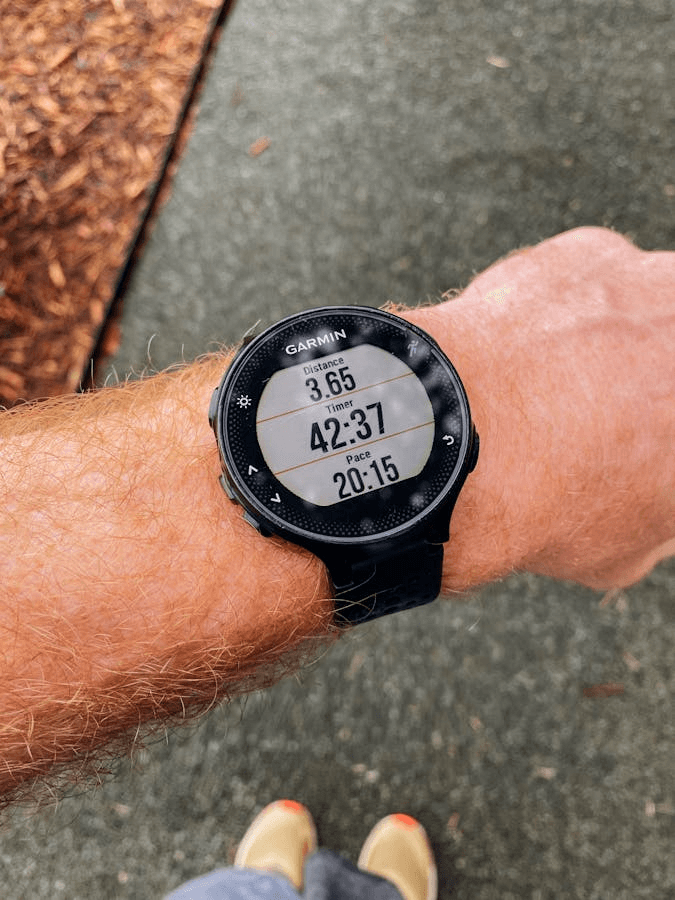
Modern running watches and smartwatches offer sophisticated tracking right on your wrist
Understanding the Fundamental Difference
Before diving into specifics, it's crucial to understand what sets these devices apart. Running watches are purpose-built for athletes, focusing primarily on performance tracking and training analytics. Smartwatches, on the other hand, are designed as all-day companions that happen to include fitness features. The key distinction lies in their primary focus. Running watches prioritize accuracy, battery life, and sport-specific metrics, while smartwatches balance fitness tracking with daily convenience features like notifications, apps, and connectivity. Think of it this way: a running watch is your dedicated coach, while a smartwatch is your personal assistant that also helps you train.
Running Watches: The Performance Specialists
Core Strengths of Running Watches
Running watches excel in areas that matter most to serious athletes. They feature high-precision GPS for real-time route tracking, split-time tracking and interval data, and advanced metrics that help you analyze every aspect of your performance. What I love most about dedicated running watches is their long battery life—often lasting 2-3 weeks on a single charge. These devices are built with rugged design that prioritizes performance over aesthetics. They can handle everything from torrential rain to extreme temperatures, making them reliable training partners for any conditions. The GPS accuracy in dedicated running watches is typically superior, using multi-band and dual-frequency technology that provides more realistic distance tracking and better real-time pace readings.
Advanced Training Features
Where running watches truly shine is in their training analytics. Premium models offer detailed running dynamics including vertical oscillation, ground contact time, and running power. You'll find features like training readiness scores, body battery levels, hill scores, and endurance scores that help you optimize your training and prevent overtraining. Many running watches also include adaptive training plans and daily suggested workouts based on your recovery status. This level of sophistication in training guidance is something most smartwatches can't match. The data integration is seamless—everything works together to give you a complete picture of your fitness and performance.
Navigation and Mapping
For trail runners and adventurers, running watches offer superior navigation capabilities. While basic models provide breadcrumb navigation (following a line on your wrist), premium models feature full-color, offline maps that allow you to see your surroundings and navigate unfamiliar terrain confidently. This is crucial for anyone who ventures off-road or explores new routes regularly.
Smartwatches: The All-Rounders
Smart Features Beyond Running
Smartwatches excel in areas that running watches typically neglect. They offer comprehensive smartwatch features including app notifications, music storage and control, contactless payments, and voice assistants. The Apple Watch, for instance, provides access to the entire iOS App Store, giving you tools for just about everything you encounter in daily life. What I appreciate about smartwatches is their ability to seamlessly blend fitness tracking with daily life. You can track your morning run, then transition to checking messages, controlling music, or making payments without missing a beat. This convenience factor is significant for those who prefer minimalism and don't want to switch between devices.
Health and Wellness Integration
Modern smartwatches have evolved to include impressive health monitoring features. Beyond basic fitness tracking, they offer advanced health metrics like ECG, blood oxygen monitoring, fall detection, and temperature sensing. The sleep tracking is typically more sophisticated, and many include stress monitoring and guided breathing exercises. The integration between fitness and health data is more seamless on smartwatches. Your running performance can be correlated with sleep quality, stress levels, and other health indicators to give you a holistic view of your wellbeing.
Design and Daily Wearability
Let's be honest—smartwatches generally look better for daily wear. They come in various designs, materials, and customizable watch faces that allow them to double as fashion accessories. The Apple Watch is particularly known for its premium materials, sharp displays, and clean design that works in both athletic and professional settings. Running watches, while becoming more stylish, still tend to have that rugged, sport-focused aesthetic that might not transition well to office environments or formal occasions.
Key Comparison Points
Battery Life: The Deciding Factor
This is where running watches have a clear advantage. While premium running watches can last 2-3 weeks, even the best smartwatches typically need daily charging. The Apple Watch Ultra 3, Apple's most rugged model, offers up to 24 hours of battery life, extending to 38 hours in low power mode. For serious runners who train daily or engage in long-distance events, this difference is crucial. There's nothing worse than your watch dying mid-marathon or during an important training session. However, if you're charging your phone daily anyway, adding a smartwatch to your routine might not be a significant burden.
GPS Accuracy and Tracking
Both types of devices offer GPS, but running watches generally provide superior accuracy. Premium running watches feature multi-band GPS and dual-frequency technology that delivers more precise distance tracking and better performance in challenging environments like tall buildings or dense forests. Smartwatches have improved significantly—the Apple Watch Ultra 3 now includes dual-band GPS that rivals many dedicated running watches. However, the integration of GPS data with running-specific metrics is still more sophisticated on dedicated running watches.
Training Analytics vs. General Fitness
Running watches offer specialized running analytics that smartwatches can't match. Features like VO2 max estimation, training load, recovery time, and performance condition give you insights specifically tailored to endurance athletes. These metrics help you optimize your training, prevent overtraining, and peak for important events. Smartwatches provide solid general fitness tracking but lack the depth of running-specific analysis. The Apple Watch has improved its running app to include features like automatic running track detection, interval session builders, and some advanced metrics like vertical oscillation and ground contact time. However, the analysis and integration aren't as comprehensive as what you'll find on dedicated running watches.
Price and Value Considerations
The price ranges for both categories overlap significantly, but running watches generally offer better value for serious athletes. Entry-level running watches start around $100-200, while premium models can cost $500-800. Smartwatches range from $200 for basic models to $800+ for premium versions. What you're paying for differs—running watches invest in GPS technology, battery life, and training analytics, while smartwatches focus on display quality, processing power, and smart features. Consider what matters most to you and invest accordingly.

Both running watches and smartwatches can sync with smartphones for enhanced functionality
Who Should Choose a Running Watch?
Serious Runners and Triathletes
If you're training for specific events, following structured training plans, or serious about performance improvement, a dedicated running watch is your best bet. The advanced training metrics and superior GPS accuracy will provide insights that help you optimize your performance. Features like training load monitoring and recovery recommendations are invaluable for preventing overtraining and injury.
Long-Distance and Ultra Runners
For marathoners, ultrarunners, and endurance athletes, battery life is non-negotiable. Running watches that can last multiple days or even weeks on a single charge are essential for long events and training camps【8†source**. The rugged construction also ensures reliability in challenging conditions where equipment failure isn't an option.
Trail and Adventure Runners
If you spend time on trails, mountains, or exploring new routes, the navigation capabilities of dedicated running watches are worth the investment. Offline mapping, breadcrumb navigation, and waypoint management can be literal lifesavers when you're far from civilization. The durability and weather resistance also provide peace of mind in challenging environments.
Data-Driven Athletes
If you love analyzing every aspect of your performance, tracking progress over time, and fine-tuning your training based on detailed metrics, running watches offer the depth you need. The ability to track running dynamics, training trends, and performance patterns over months and years provides insights that help you become a better, more efficient runner.
Who Should Choose a Smartwatch?
Casual and Recreational Runners
If you run for fitness, enjoyment, or general wellbeing rather than specific performance goals, a smartwatch might be all you need. The basic GPS and heart rate tracking on modern smartwatches are accurate enough for most recreational runners【9†source**. Plus, you get the benefit of daily smart features that make the device more useful beyond your runs.
Urban Runners and Daily Commuters
For those who primarily run in urban areas or on familiar routes, the superior navigation of running watches might be overkill. Smartwatches offer excellent GPS accuracy for city running, and the additional features like contactless payments, music storage, and smartphone integration are particularly valuable for urban environments.
Multi-Sport Fitness Enthusiasts
If your fitness routine includes more than just running—swimming, cycling, gym workouts, yoga, etc.—a smartwatch's versatility might be more valuable. The ability to track multiple activities with one device, plus the broader health monitoring features, provides a more complete picture of your overall fitness.
Tech-Savvy Users
If you love having the latest technology, customizing your device with apps, and staying connected throughout the day, smartwatches offer a more engaging experience. The Apple Watch ecosystem, with its extensive app store and seamless integration with other Apple products, provides a level of functionality that running watches can't match.
The Hybrid Approach: Best of Both Worlds
Emerging Solutions
The good news is that the lines between these categories are blurring. We're seeing more devices that attempt to bridge the gap, offering solid running features with smartwatch functionality. The Garmin Venu X1, for example, is described as a "smartwatch turned running watch that more closely rivals the Apple Watch Ultra than anything that's come before it". These hybrid solutions typically feature improved displays, better smart features, and more attractive designs while maintaining the core running functionality that athletes need. They might not excel at either category as much as specialized devices, but they offer excellent compromise for many users.
Using Both Devices
Some serious runners actually use both—a dedicated running watch for training and events, paired with a smartwatch for daily wear. This approach gives you the best of both worlds, though it requires managing two devices and the associated costs.
Making Your Decision
Key Questions to Ask Yourself
To choose the right device, consider these questions:
- What are your running goals? Performance improvement vs. general fitness
- How often do you run? Daily training vs. occasional workouts
- Where do you run? Trails and mountains vs. roads and tracks
- What's your tech comfort level? Simple interface vs. feature-rich experience
- How important is daily wearability? Training-only vs. all-day companion
Final Recommendations
Based on my testing and experience, here are my recommendations:
- Choose a running watch if: You're training for events, love data analysis, run long distances, or prioritize battery life and durability
- Choose a smartwatch if: You're a casual runner, value daily convenience, want comprehensive health tracking, or prefer one device for everything
- Consider a hybrid if: You want decent running features with better smart functionality and don't need elite-level training analytics The most important thing is to choose a device that you'll actually use consistently. The best running watch or smartwatch is the one that motivates you to get out there and run, while providing the information you need to improve and stay safe.
Q: Can I use a smartwatch for serious marathon training? A: Yes, many marathoners successfully train with smartwatches like the Apple Watch Ultra. However, you'll miss some advanced training analytics and battery life might be limiting for very long runs. Q: Do I really need GPS in my running watch? A: For accurate distance and pace tracking, yes. While some watches use connected GPS from your phone, built-in GPS provides more reliable tracking and doesn't require carrying your phone. Q: How accurate are heart rate monitors in these devices? A: Both running watches and smartwatches have improved significantly, but for the most accurate heart rate data during intense training, many athletes still prefer chest strap monitors.