
As someone who's spent years in the fitness world, I've witnessed countless debates over which protein source reigns supreme: whey or plant-based. I've tried both extensively, read countless studies, and even switched between them multiple times based on my goals. Let me share what I've learned from both personal experience and deep research into this fundamental nutrition question.
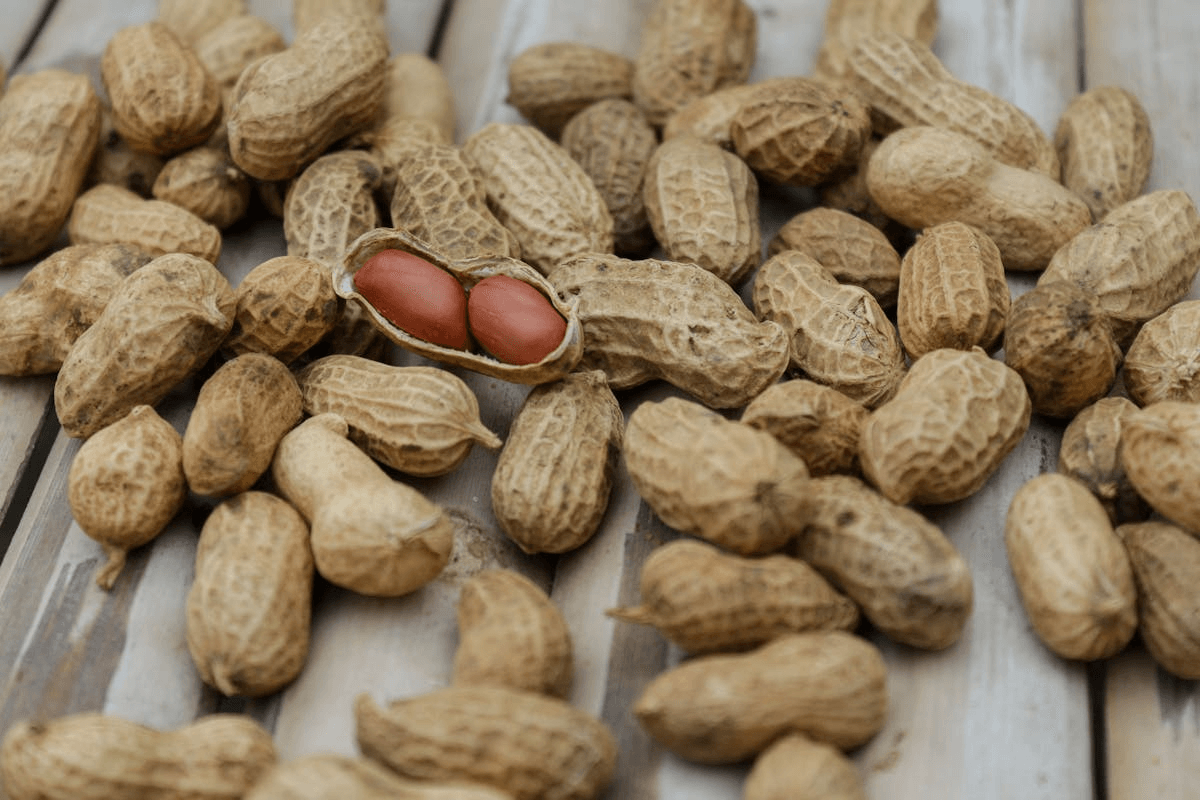
The protein source you choose can significantly impact your fitness results and overall health
Understanding the Protein Basics
Before diving into the whey versus plant debate, it's crucial to understand what makes protein so important. Protein isn't just about building muscle—it's involved in virtually every cellular process in your body, from enzyme production to hormone regulation. Complete vs. Incomplete Proteins: This is the most critical distinction. Animal-based proteins like whey contain all nine essential amino acids that your body cannot produce on its own. Most plant-based proteins are considered "incomplete" because they lack sufficient amounts of certain essential amino acids. Digestibility and Absorption: How quickly and efficiently your body can break down and utilize protein directly impacts how much benefit you actually receive. Amino Acid Profiles: The specific combination and ratios of amino acids in different protein sources can affect everything from muscle protein synthesis to recovery speed.
Whey Protein: The Gold Standard
Whey protein has dominated the supplement industry for decades, and for good reason. As a byproduct of cheese production, whey offers impressive nutritional benefits that are hard to beat.
Types of Whey Protein
Whey Concentrate: Contains about 70-80% protein with some fat and lactose. More affordable but slower digestion. Whey Isolate: Contains 90%+ protein with minimal fat and lactose. Faster absorption but more expensive. Whey Hydrolysate: Pre-digested for even faster absorption, ideal for those with sensitive stomachs.
Key Benefits of Whey Protein
- Complete amino acid profile: Contains all nine essential amino acids
- High leucine content: Critical for triggering muscle protein synthesis (about 10-12% per serving)
- Fast digestion: Typically absorbed within 30-60 minutes
- Rich in branched-chain amino acids (BCAAs): Supports muscle recovery and reduces soreness
- Proven muscle-building effects: Extensive research supports whey's effectiveness for strength and hypertrophy
Who Benefits Most from Whey
Based on the research, these groups see the greatest benefits:
- Athletes and bodybuilders: The rapid absorption and leucine content make it ideal for post-workout recovery and muscle growth
- Older adults: As we age, maintaining muscle mass becomes more challenging—whey's complete profile helps preserve lean tissue
- People recovering from injury: The high-quality protein supports tissue repair and recovery
Plant-Based Proteins: The Rising Contenders
Plant proteins have evolved from niche options to mainstream competitors, offering impressive benefits for different populations and values.
Common Plant Protein Sources
Pea Protein: The most popular plant-based option, hypoallergenic and easily digestible. Rice Protein: Mild flavor, easily digestible, suitable for those with sensitive stomachs. Soy Protein: Complete protein source, rich in phytonutrients, but controversial due to estrogen concerns. Hemp Protein: Contains all essential amino acids and healthy omega fatty acids. Mixed Plant Proteins: Blends combining multiple sources for complete amino acid profiles.
Key Benefits of Plant Proteins
- Sustainability: Lower environmental impact than animal agriculture
- Digestive comfort: Often easier on sensitive stomachs
- Allergen-friendly: Suitable for those with lactose intolerance or dairy allergies
- Additional nutrients: Many sources provide fiber, antioxidants, and phytonutrients
- Ethical appeal: Aligns with vegetarian and vegan lifestyles
Head-to-Head Comparison: The Science Speaks
Muscle Building and Strength
Research consistently shows whey has the edge for pure muscle building, but the gap might be smaller than you think. A study examining whey versus pea protein supplementation found no significant differences in strength gains or muscle thickness between groups following 8 weeks of high-intensity training. However, whey's higher leucine content and rapid absorption make it slightly more efficient for triggering muscle protein synthesis immediately post-workout. For serious bodybuilders focused on maximizing every gram of protein, whey often maintains its advantage.
Digestion and Gut Health
This is where plant proteins often shine. Many people experience bloating, gas, and discomfort with whey—plant proteins are generally easier on the digestive system. I've personally found that pea protein causes significantly less digestive distress than whey, allowing me to train more comfortably without that "heavy" feeling that can sabotage workout intensity.
Weight Management
Both protein types can support weight loss, but through different mechanisms: Whey: Promotes satiety due to rapid digestion and complete amino profile Plant proteins: Often higher in fiber, promoting fullness and improved blood sugar regulation The key is calorie control—both can be effective when used properly as part of a balanced nutrition plan.
Recovery Speed
Post-workout recovery is crucial for consistent progress: Whey: Faster absorption means quicker delivery of amino acids to damaged muscle tissue Plant proteins: May provide additional anti-inflammatory benefits from phytonutrients that support overall recovery
Special Health Considerations
Lactose Intolerance: Plant proteins win automatically here—whey contains lactose that can cause digestive issues for many people. Allergies and Sensitivities: Plant-based options essential for those with dairy allergies or multiple food sensitivities. Environmental Toxins: Plant proteins generally have lower carbon footprints and require less water and land to produce.
Cost and Accessibility
Price Point: Whey protein typically costs $20-30% more than plant-based options per serving. Market Availability: Whey is widely available in supplement stores, while plant proteins are becoming more common but still may require searching specialty retailers.
Making Your Choice: Personal Factors to Consider
Your Primary Goals
Are you primarily focused on:
- Muscle building: Whey might have the edge
- Weight loss: Either can work, but plant proteins may offer additional fiber benefits
- General health: Plant proteins provide broader nutritional benefits
- Ethical concerns: Plant-based options align better with many value systems
Your Body's Response
Pay attention to how different protein sources affect you:
- Energy levels: Some people feel more energetic with whey, others with plant proteins
- Digestive comfort: If you experience bloating with dairy, plant proteins might be your solution
- Workout performance: Test both options during training to see which allows you to perform better
Budget Considerations
If cost is a major factor:
- Whey concentrate: Best value for most users
- Plant blends: Often provide good nutrition at reasonable prices
- Mixed approach: Some athletes use whey post-workout and plant protein at other times for cost efficiency
My Personal Experience and Recommendations
After years of experimentation, here's what I've found:
For Maximum Muscle Building
Whey isolate post-workout is hard to beat for pure muscle-building efficiency. The rapid absorption and complete amino acid profile make it ideal for serious athletes focused on hypertrophy.
For Digestive Comfort
Pea protein has been a game-changer for me. I can train harder and longer without the digestive discomfort that sometimes accompanied whey consumption.
For Best of Both Worlds
Mixed protein powders that combine both whey and plant sources can provide comprehensive amino acid profiles while addressing various dietary needs and preferences.
For Older Adults
Plant-based proteins with added nutrients like fiber, vitamins, and minerals can provide additional health benefits beyond just muscle support.
The Future of Protein: Emerging Trends
The protein industry is evolving rapidly: Sustainable sourcing: Growing focus on environmental impact and ethical production methods Precision amino acid formulations: Custom blends targeting specific athletic needs Alternative protein sources: Cricket, algae, and fungal proteins gaining traction Enhanced bioavailability: New processing methods improving absorption rates
Frequently Asked Questions
Q: Can I build muscle effectively with plant protein? A: Absolutely! While whey has advantages for rapid muscle protein synthesis, many athletes build impressive muscle using plant-based proteins alone. Consistency and total protein intake matter more than source. Q: Is plant protein better for weight loss than whey? A: Plant proteins often support weight loss better due to higher fiber content promoting fullness and improved blood sugar regulation. However, individual results vary based on overall diet and calorie control. Q: How much protein do I need daily? A: Most adults need 0.8-1.2 grams per kilogram of body weight, or about 50-60 grams daily for active individuals. Athletes or those building muscle may benefit from 1.2-2.0 grams per kilogram. Q: Can I combine whey and plant proteins? A: Yes! Many athletes use both strategically—whey post-workout for rapid absorption, plant protein at other times for digestive comfort and additional nutrients. This approach can provide comprehensive amino acid coverage throughout the day. Q: Are expensive protein powders worth it? A: Not necessarily. Mid-range options from reputable brands often provide 80-90% of the benefits of premium products at significantly lower costs. Q: How long does it take to see results? A: Consistent use for 4-6 weeks typically shows noticeable differences in muscle recovery, energy levels, and body composition. However, sustainable progress requires proper training, nutrition, and rest.
Making Your Final Decision
The "better" protein depends entirely on your individual needs, goals, and body response. Rather than getting caught up in marketing debates, consider:
- Your primary fitness goal: Muscle building, weight management, or general health
- Your digestive system: How do you feel after consuming different protein types?
- Your budget: Cost per serving and frequency of use
- Your values: Environmental impact, dietary restrictions, ethical considerations Both whey and plant-based proteins can support excellent health and fitness results when chosen thoughtfully and used consistently. The key is finding what works best for your body rather than following industry trends or marketing hype. Remember that protein supplementation is just one piece of the nutrition puzzle. Whole foods should form your foundation, with supplements filling specific gaps based on your individual needs and goals.